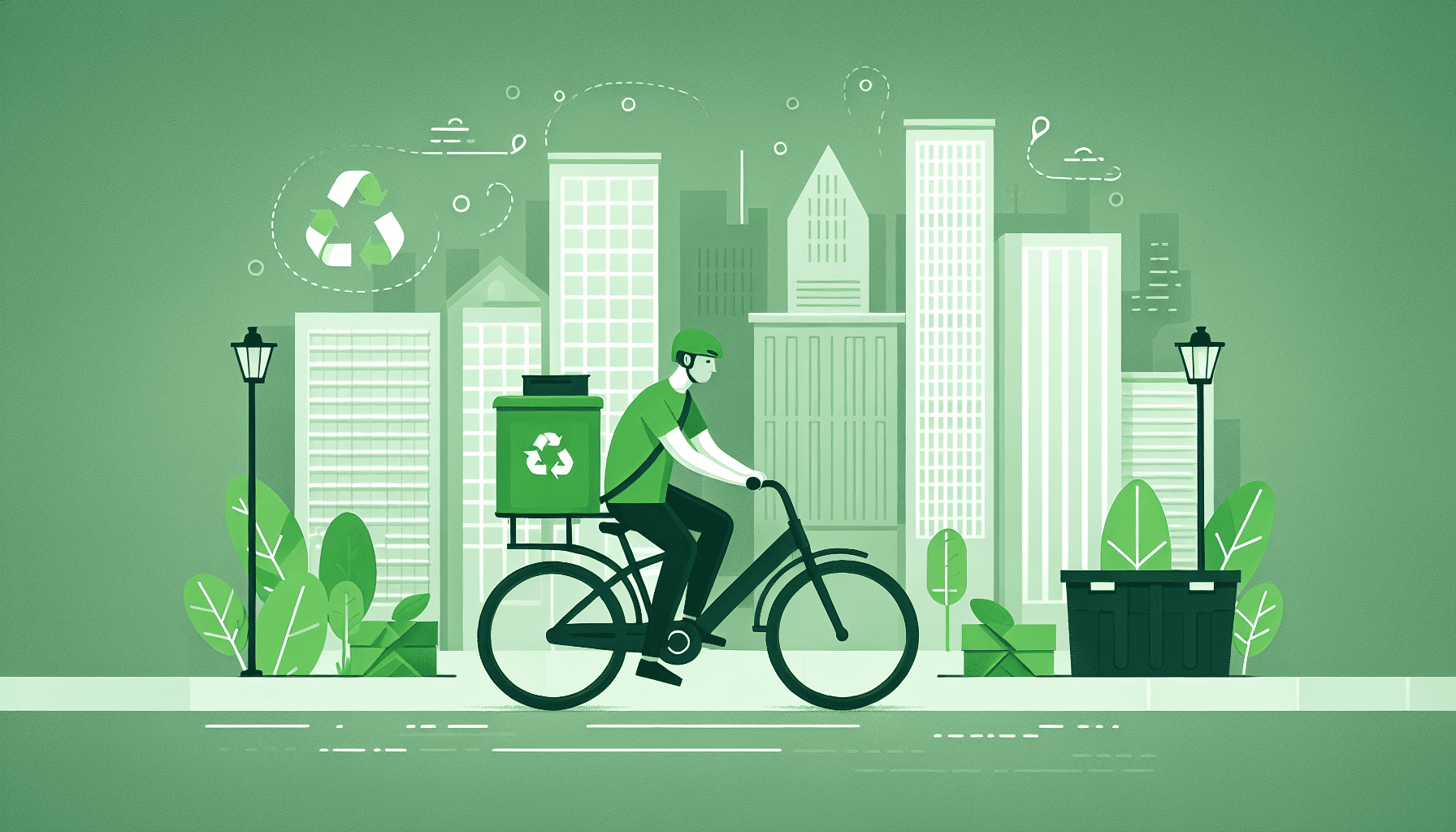
In recent years, the global community has become increasingly aware of the environmental impact of our everyday activities, with one major area of concern being the significant carbon footprint generated by delivery services. In response, companies around the world are committing to more eco-friendly delivery methods, aiming to reduce their environmental impact while still meeting consumer demands.
One of the key strategies in achieving eco-friendly deliveries is the adoption of electric and hybrid vehicles. Many delivery companies are transitioning their fleets to these vehicles, which significantly reduce emissions compared to traditional gasoline-powered vans and trucks. Electric vehicles, in particular, are being hailed as the future of green deliveries, offering a zero-emission alternative that aligns with environmental goals. Companies like Amazon, UPS, and DHL have all begun integrating electric vehicles into their delivery operations, setting ambitious targets to significantly scale these efforts over the coming years.
Another innovative approach is the use of bicycles and electric scooters for last-mile deliveries, especially in urban areas. These modes of transport not only cut down on emissions but also reduce traffic congestion and noise pollution. Startups and established companies alike are investing in these solutions, recognizing their potential to transform urban delivery infrastructure in a sustainable manner.
Moreover, advancements in logistics technology are playing a crucial role in optimizing delivery routes and reducing unnecessary emissions. Through the use of sophisticated algorithms and real-time data, delivery companies can plan the most efficient routes, minimizing fuel consumption and time spent on the road. This not only enhances operational efficiency but also contributes to a decrease in the overall carbon footprint.
Additionally, the rise of green packaging solutions is complementing the shift towards eco-friendly deliveries. Companies are increasingly using biodegradable and recyclable materials for packaging, which helps to reduce waste and the environmental impact of discarded packaging. By adopting sustainable packaging options, businesses are able to reinforce their commitment to environmental stewardship in every aspect of the delivery process.
Furthermore, collaborations and partnerships with environmental organizations are becoming a common practice among delivery companies. These collaborations often involve initiatives aimed at offsetting carbon emissions, such as tree planting and investing in renewable energy projects. By supporting these initiatives, companies are able to demonstrate their dedication to sustainable practices and enhance their corporate social responsibility.
Consumer awareness and demand for sustainable practices are also driving the shift towards eco-friendly deliveries. Today’s consumers are more informed and increasingly make purchasing decisions based on a company’s environmental policies. As a result, businesses that prioritize sustainability and reduce their carbon footprint are likely to gain a competitive edge in the marketplace.
While there are challenges to implementing these eco-friendly delivery practices, such as the cost of transitioning to new technologies and infrastructure, the long-term benefits both for the environment and for businesses are substantial. By committing to these sustainable delivery methods, companies not only contribute to the global effort to combat climate change but also help to build a more sustainable future for generations to come.
In conclusion, as the world continues to grapple with the realities of climate change, the shift towards eco-friendly deliveries represents a critical step forward. Through the adoption of electric vehicles, the optimization of delivery routes, the use of green packaging, and strategic partnerships, companies are demonstrating a clear commitment to reducing their carbon footprint. This movement towards sustainable delivery systems is not only essential for the health of our planet but also for the sustainability and resilience of businesses in a rapidly changing global landscape.